
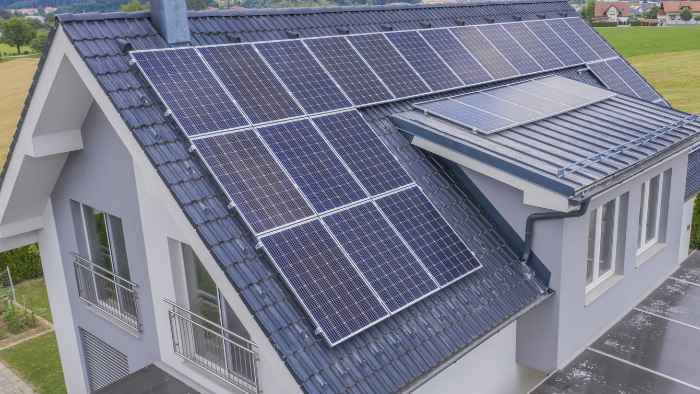
Solar energy has become a trend when it comes to green energy options. More and more people are turning to solar energy to power their homes, businesses, and other buildings. But what do you need to know before you make the switch?
If you’re thinking of switching to a renewable energy source or wanting to have a fully solar-powered house, read on to learn more.
…
Read More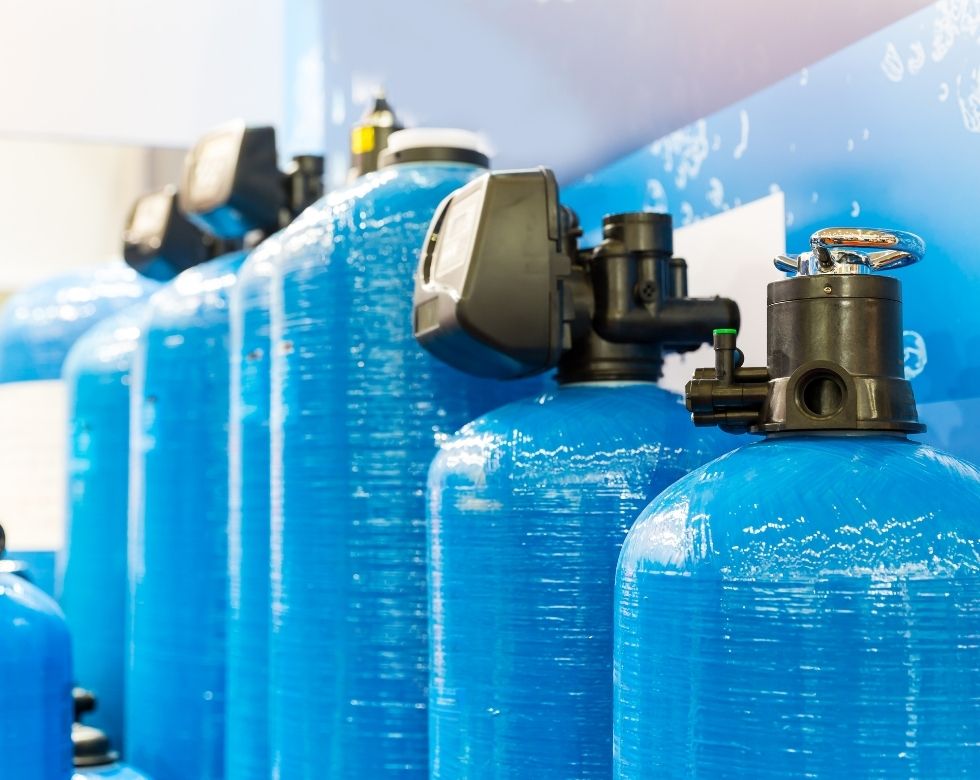
The truth about salt-free water softeners is surprising. Despite the name, salt-free water softeners don’t exist in the UK or anywhere else! Instead, what we call “salt-free water softeners” are water conditioners. Here are the pros and cons of salt-free water softeners.
How Do Salt-free Water Softeners Work?
The water softener removes the excess minerals in hard water and replaces them with sodium ions. Salt is a critical tool in water softening systems for ion exchange.
Salt-free water softeners like Springwell Futuresoft (also called water conditioners) are water filtration systems that crystallize excess minerals (magnesium and calcium) in hard water. So, while salt-based softeners do the whole job of getting …
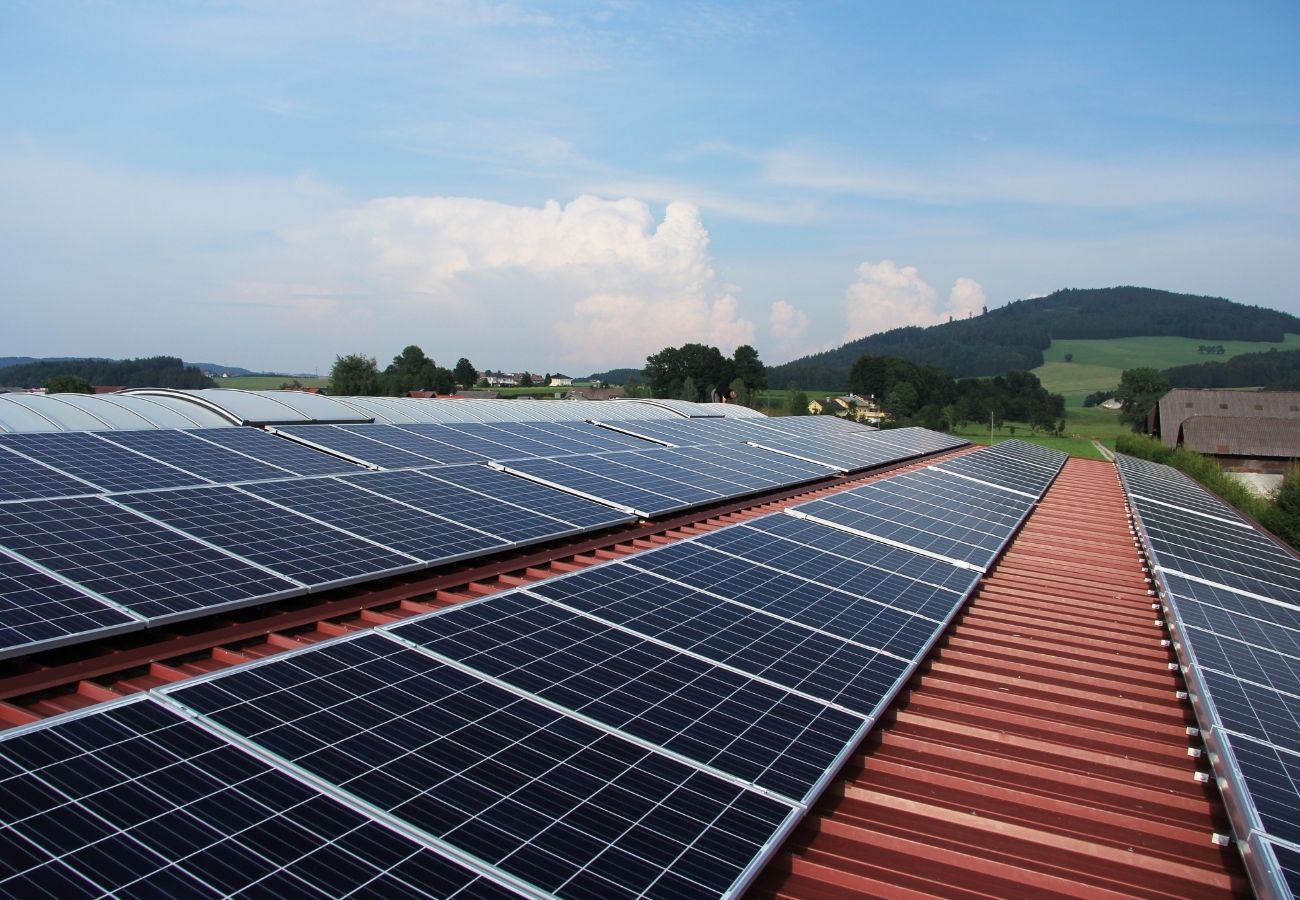
It’s interesting to know that out of all students in the U.S, less than 6% are enrolled at schools using solar energy. Admittedly, the U.S is one of the countries with a significant amount of educational institutions paying attention to solar power today. As a result, the schools can enjoy the numerous benefits of solar energy installation.
According to educators, a notable benefit derived from solar installation on school buildings is cost-effectiveness. School buildings usually have extensive roofs and tons of parking lot space with direct exposure to the sun. So schools can be a significant resource for tapping sustainable energy that can benefit their localities.
So what are the …
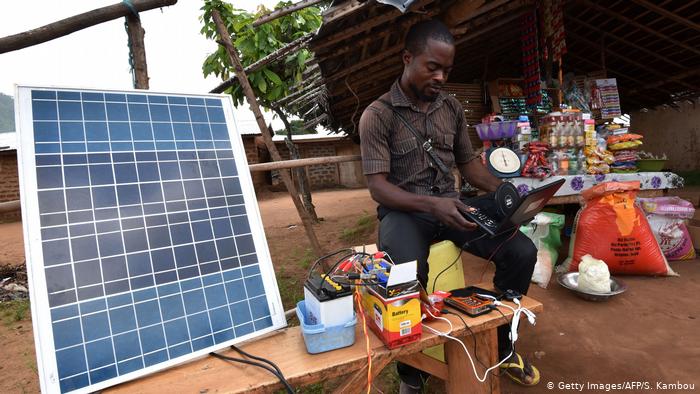
The number of companies shifting toward solar energy has increased significantly in recent years. With the coinciding rise of solar-powered generators across the globe, this transition has to do primarily with carbon footprint reduction.
Meanwhile, a couple of households have chosen to install solar panels on their abodes to save a lot on utility bills. This is a crucial reason why solar power has become an increasingly popular and practical renewable energy source.
Additionally, solar power yields many other benefits for the environment. Here are the top five advantages of solar energy on our planet.
1. Reduced Water Use
Water is one of our most important natural resources. Unfortunately, the world might be heading into freshwater depletion a few decades from now.
Water is mainly used for generator…
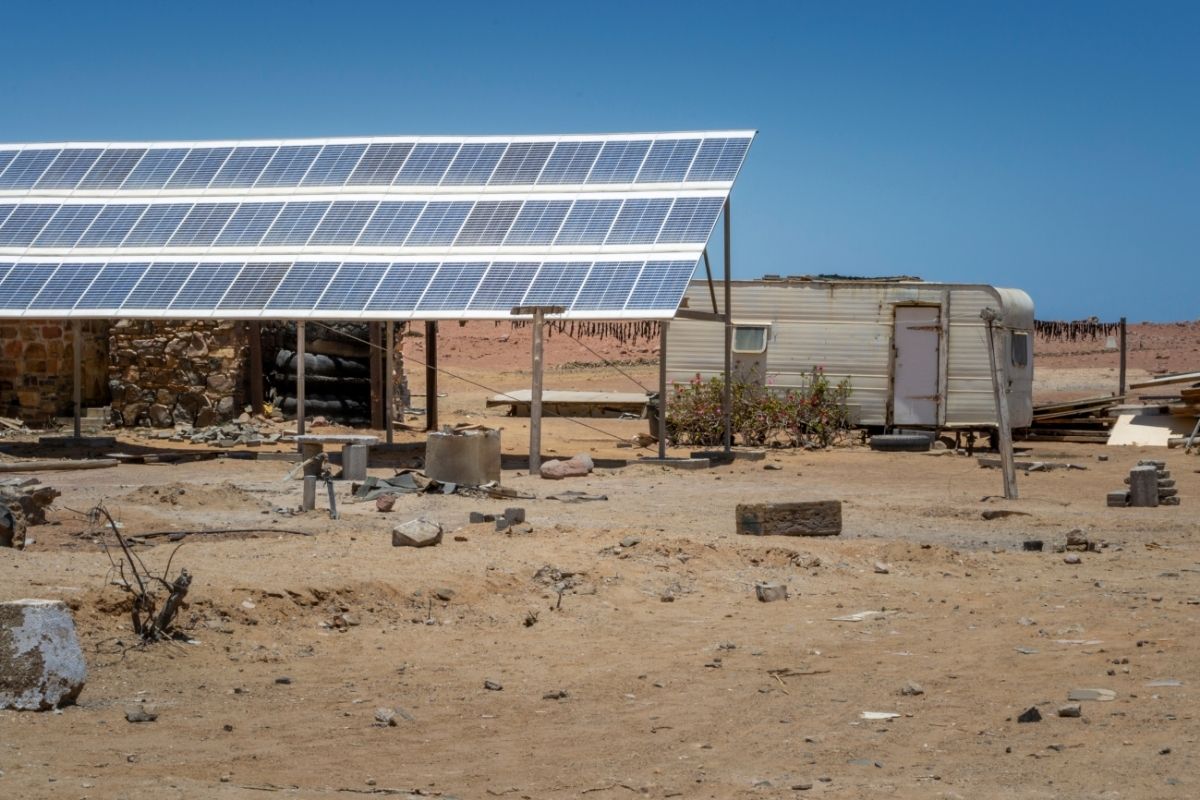
We all know that solar energy is one of the main alternative sources of electricity. It’s renewable, free, and has wide ranges of operation. This means that you can have a portable setup that harnesses solar energy or can build a large solar farm that can supply an entire city.
With that said, thoughts about being independent might enter your mindset. It’s only normal, especially when you can see how sustainable the solar energy systems are. However, is solar energy sufficient enough as a source when you go off the grid?
Can Solar Get You Off the Grid?
Generally, assuming that your solar energy system is planned according to your area’s dimensions, regular consumption rate, and availability of …

The post-COVID-19 era has left small businesses penniless, some closed, and some retrenched employees. The local economy has been massively displaced, and the pandemic has created unemployment to a great extent. Luckily for some who have lost their jobs have ventured into small scale business.
It takes the entire community to help regain the local business momentum. Economic and social growth come hand in hand; thus, promoting the local economy is not the sole responsibility of the government, but most importantly, it takes the help of ordinary citizens. Here are some examples of what we can do to achieve a sustainable local economy:
Rather than shop from malls, buy small scale stores.
Support individual businesses by buying from them. These can be any homemade products.
Start urban gardening to …

Now that the lockdown has eased up in most parts of the world, people are slowly going back to their pre-pandemic life. But the big question is, will the world still be the same after the pandemic? Here are reflections from some prominent thinkers.
Here’s what to expect for the post Covid-19 society:
Daniel Susskind, an economist from Oxford University, said that the world would only look significantly different. The problems we will face in the future will simply be more extreme than what we had.
James Manyika, chairman, and director of the McKinsey Global Institute, projections include the amplification of remote working and learning, telemedicine, and delivery service.
Shan Burrow, the International Trade Union Confederation general secretary, reflected on a more inclusive, resilient, and …
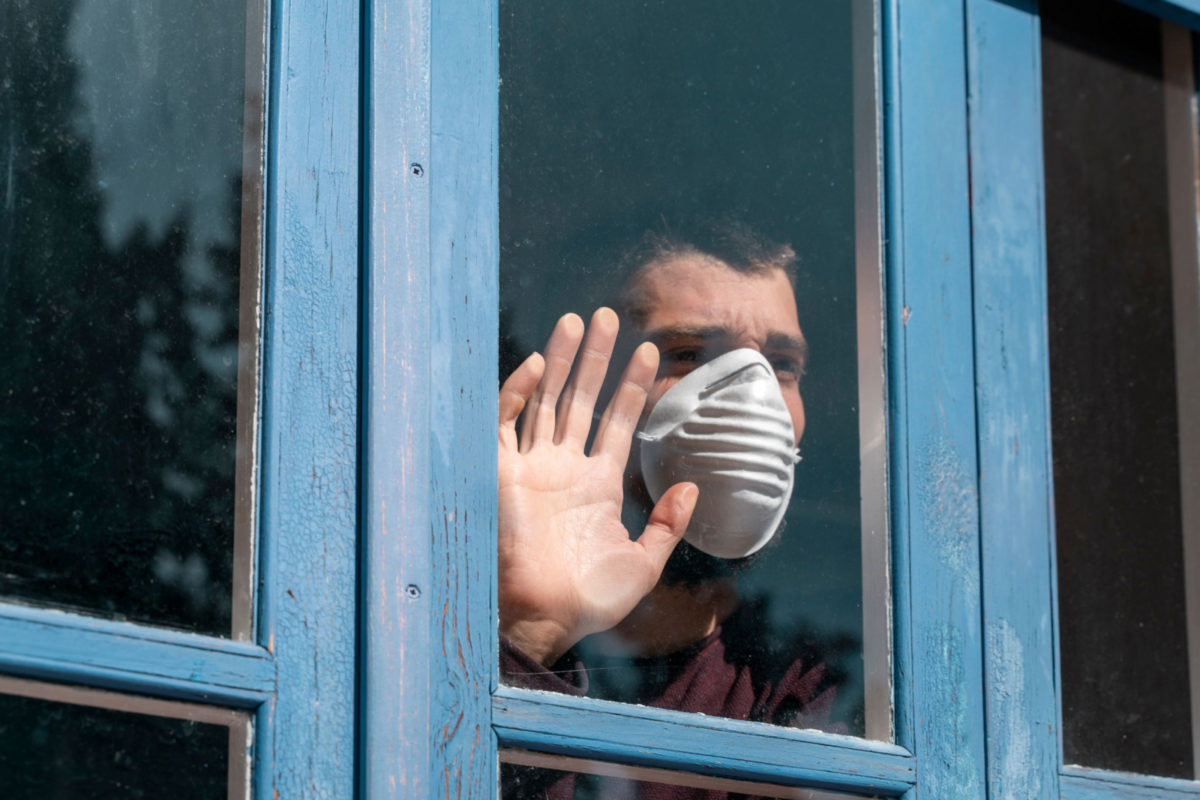
Before you say good riddance to the year 2020, why not pause for a moment and think of the positive things that happened despite the pandemic? Here’s to help you see the silver lining of COVID-19:
Members of the families were forced to stay at home, which allows families to bond with one another.
Mother earth has gotten its much-deserved respite from carbon emission. We have witnessed a dramatic fall in air pollution and greenhouse gas emission.
Empathy is magnified. Stories of people extending help to those who have lost their jobs and front liners working round-the-clock have dominated social media.
Solidarity became stronger among people from different walks of life in terms of following health protocols.
Courage is amplified, especially among the front liners such as doctors, …
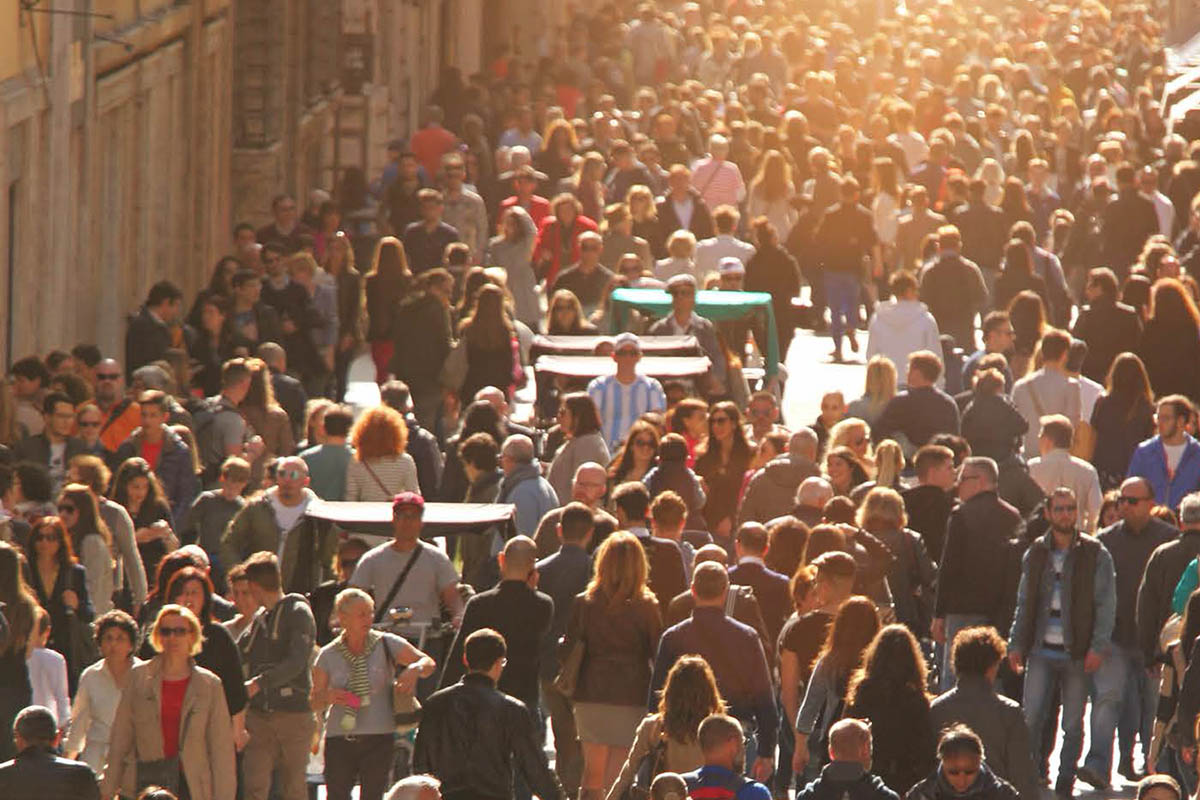
Same feathers flock together; this saying is literally true for birds but cliché with people. We live in a diverse neighborhood and society at large. There are whites, blacks, and people of color. This diversity even gets diversified because of our varied political beliefs.
These beliefs are supposed to unify rather than divide us, especially in the kind of political atmosphere we have right now where political people are on the brink of violence because each one believes differently. Whether we like it or not, we live in a world we should share. We cannot have a monopoly because the truth is often relative and unique to each group of individuals.
Disagreements are normal and should be respected. We cannot expect others to believe what you believe, but we could demand respect from each other. We cannot be cooped up in …

The universe has bestowed planet earth with millions of plant species all over the entire planet. There are unique species native to each country in the world. The abundance of flora is enough to feed every single person on our planet. However, the opposite is happening.
The environment’s degradation because of human greed and carelessness has massively dwindled plant species and degraded soils. Let us do our small act of kindness to mother nature; let us start with the food we eat. This way, we can also share some of nature’s harvest with those who are hungry.
Here are some creative ways to eat sustainably:
Buy only what you need and what you can eat in certain periods to avoid food spoilage.
Reduce junk food. Studies show that most junk foods cause major health problems.
Share …
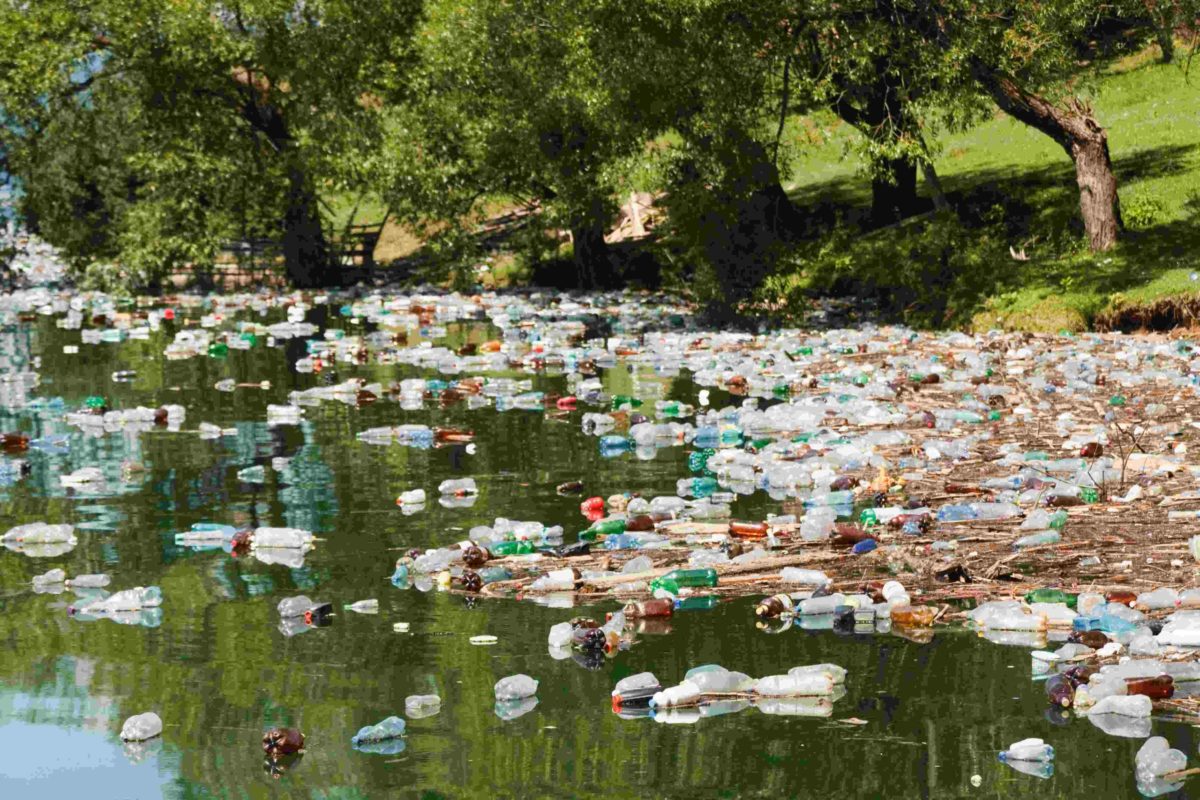
Talks about environmental concerns continue to echo in senate and congress hallways, but they are just mere spectacle. Environmental issues such as climate change, carbon emission, and the likes are louder now than before, but money still talks the loudest. While environmental activists are blowing the trumpets, capitalists are whispering in the dark, yet they are better heard.
Ordinary citizens and the less developed nations are the most vulnerable to the effects of environmental degradation. Scientists say that climate change is strengthening typhoons, hurricanes, and cyclones. The most destructive example of this is the typhoon ‘Yolanda’ that claimed 10,000 thousand plus lives in the Philippines.
Another ill effect of climate change is the El Nino phenomenon, which causes drought, water shortages, and …